The lab is equipped to study research questions about motor learning and performance.
We manipulate what, when, and how people see using customized displays.
We manipulate and measure brain function using transcranial magnetic stimulation (TMS).
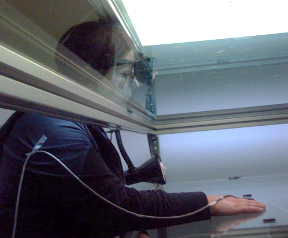
We measure limb and eye movements using limb tracking and eye tracking devices and we can measure muscle activation using electromyography (EMG).
Here are some of the questions we’ve been asking lately
-

How do motor experts differ from competents?
Photo by Max Delsid on Unsplash
-
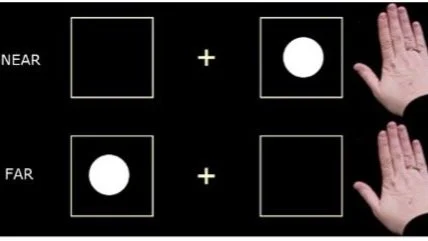
Do near-hand targets trigger covert actions?
-
How does stress affect movement performance?
Photo by Eugene Lim on Unsplash
-
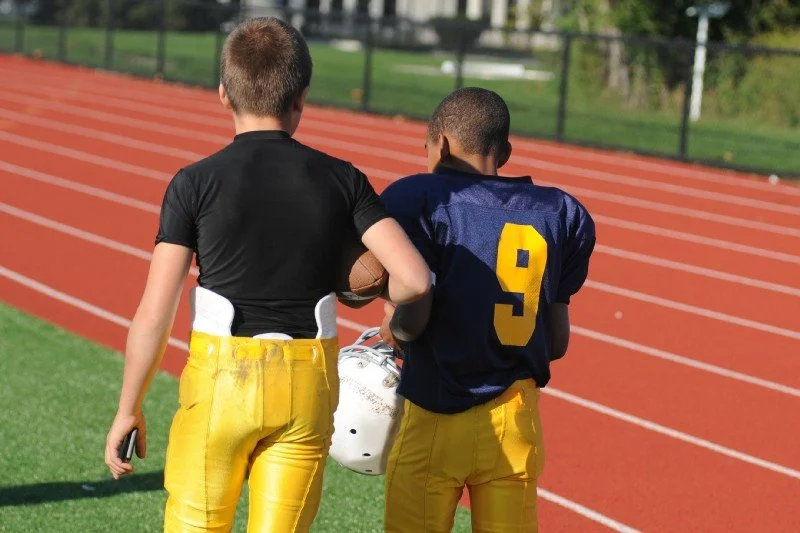
Do movements capture concussion recovery?
Photo by Ben Hershey on Unsplash
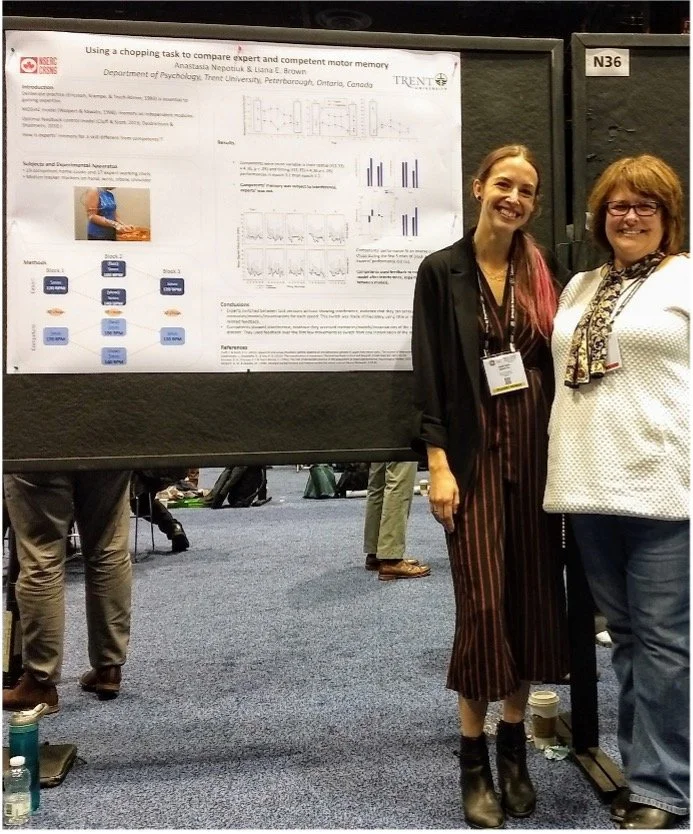
How do experts differ from people who are competent?
You’ve probably heard that to become an expert, you need to engage in deliberate practice for about 10000 hours. We’ve been testing the idea that experts are defined not only by consistency of practice, but also by the variety of subskills and scenarios to which they are exposed. This idea predicts that experts will be able to adapt to new (or old) situations using sensory cues more quickly than competents. We’ve been testing this prediction by asking both chefs and enthusiastic home cooks to perform knife skills in the lab.
Do near-hand targets trigger covert actions?
When people are asked to respond quickly to the presentation of a target, they respond faster if the target appears near, rather than far from, a hand! This difference in time is called the near-hand effect. Now we are considering the possibility that targets appearing near the hand trigger an unspecified but learned response in the brain regions controlling the nearby hand and that this extra activity leads to faster responding.
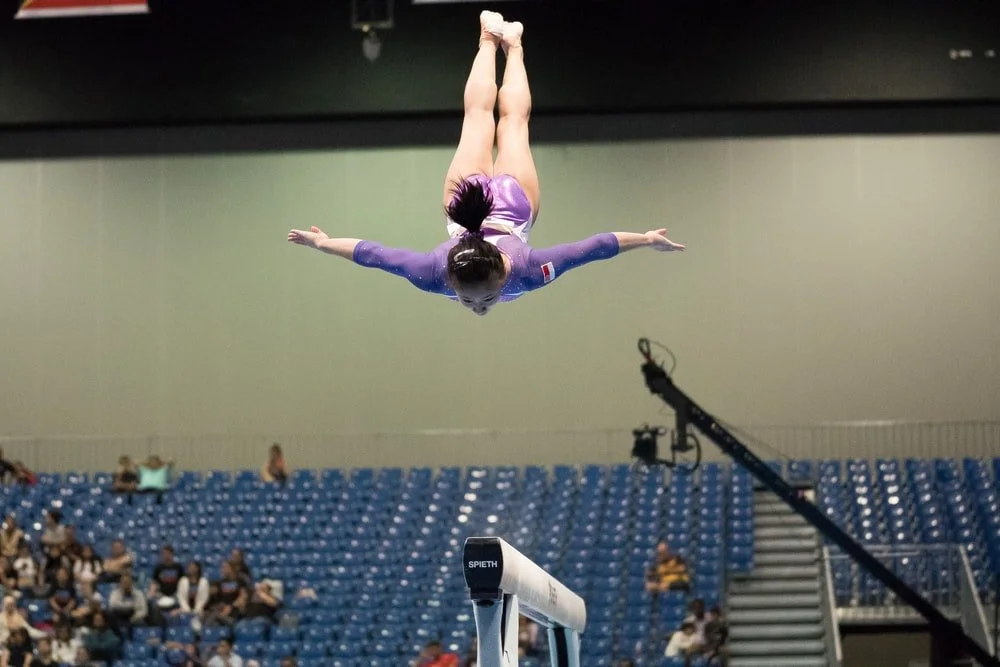
Why/How does stress affect movement performance?
Big meet? Championship game? Scout at practice today?
Got butterflies?
We know that physiological stress – increased breathing rate, heart rate, and sweating – can affect performance of even the most well-learned motor tasks. We don’t know why. What is the mechanism by which stress changes the neural signals needed for movement performance? We’ve started to address this question by examining if and how experimentally-induced stress changes performance of a very simple task – speeded visually-guided reaching.
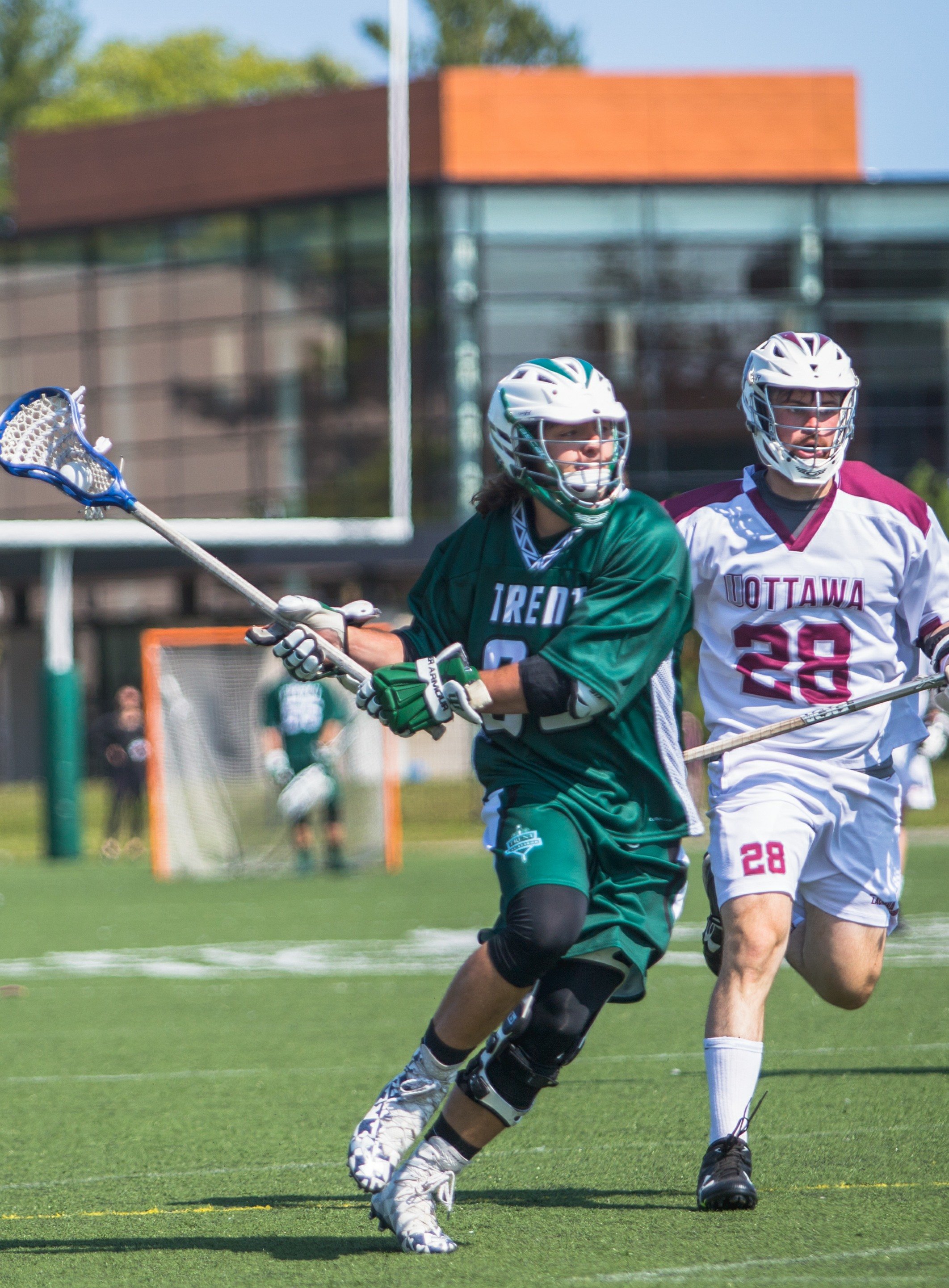
Do eye and limb movements document concussion recovery?
Research shows that even after performance on neuropsychological baseline tests returns to normal, people who’ve experienced a concussion still lag behind healthy controls on eye- and hand-movement tasks (Heitger et al., 2004; 2007; 2010). We have been re-examining this research in people who have experienced concussion up to three years prior to look at the relationships between motor performance, time since injury, and symptom severity. To control for the wide-ranging effects of being “sidelined” by injury, we compare performance in concussed individuals to performance by people who’ve experienced an orthopedic injury.
If eye and hand motor performance recovery lags behind recovery of cognition, return to play guidelines will need to be re-evaluated. Athletes who cannot adequately control their eye and limb movements are at heightened risk for a second (or Nth) concussion.